
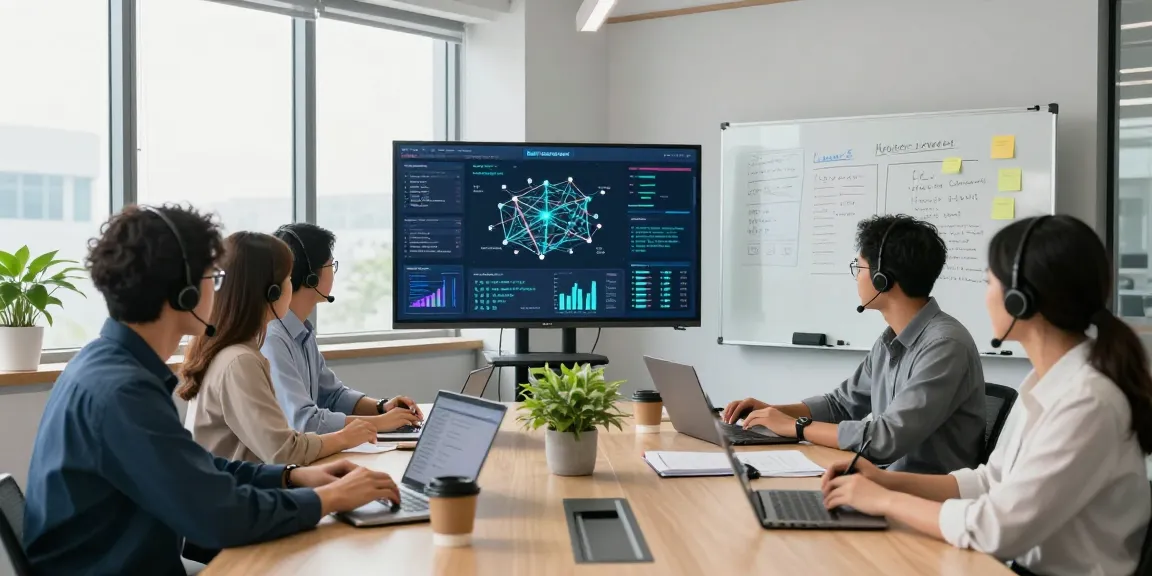
Understanding Small Business IT Support
In today’s digital landscape, effective IT support is critical for small businesses to thrive. As technology continues to evolve, small businesses face unique challenges that require tailored IT solutions. From maintaining network security to ensuring seamless software operations, small business IT support is designed to empower organizations by enhancing productivity and minimizing downtime. Proactive solutions, such as remote monitoring and management (RMM), are particularly beneficial, allowing businesses to resolve issues before they escalate. When exploring options, small business IT support can provide comprehensive insights into the services that best suit your needs.
What is Small Business IT Support?
Small business IT support encompasses a broad range of services aimed at helping organizations manage their technology effectively. This includes helpdesk support, network management, cybersecurity, data backup solutions, and infrastructure maintenance. By leveraging these services, businesses can focus on their core competencies while ensuring a reliable IT environment. Whether a company employs a full-time IT department or opts for outsourced solutions, understanding the different facets of IT support is crucial for success.
The Importance of Proactive IT Support
Proactive IT support is essential for small businesses aiming to maintain operational efficiency. Unlike reactive support, which addresses issues as they arise, proactive IT support anticipates potential problems and implements solutions before they disrupt business operations. This approach reduces downtime, enhances data security, and ultimately saves costs in the long run. With continuous monitoring and maintenance, businesses can avoid the pitfalls of unexpected IT issues.
Key Features of Effective IT Support Services
- 24/7 Helpdesk Access: Round-the-clock support ensures that issues are addressed immediately, minimizing impact.
- Network Management: Regular management and updates of network infrastructure to ensure seamless connectivity.
- Cybersecurity Measures: Comprehensive solutions to protect against malware, phishing, and other cyber threats.
- Data Backup and Recovery: Regular backups and disaster recovery plans to safeguard critical business data.
- Regular Software Updates: Keeping software up-to-date to mitigate vulnerabilities and ensure compliance.
Common Misconceptions About IT Support
Myth 1: IT Support is Only for Large Companies
One of the most common misconceptions is that IT support services are only necessary for large enterprises. In reality, small businesses can benefit significantly from IT support, as they often lack dedicated resources for managing technology effectively. With tailored IT solutions, smaller organizations can enhance productivity, secure sensitive data, and streamline operations just as effectively as larger firms.
Myth 2: All IT Support Services are the Same
Not all IT support services are created equal. Businesses should understand the diversity of options available, including basic helpdesk support, fully managed services, and co-managed IT solutions. Each service has its own unique features and pricing models, and it’s essential for businesses to carefully evaluate their specific needs.
Understanding the Costs Associated with IT Support
The costs associated with IT support can vary widely based on the level of service, complexity of the IT environment, and specific business requirements. Typical contracts might range from basic helpdesk support starting at around £40 per user per month to comprehensive managed IT services for larger operations. Understanding these costs helps businesses budget effectively and ensures they receive the level of support they require.
Choosing the Right IT Support Package
Essential IT Support vs. Fully Managed Services
When deciding on IT support, businesses must distinguish between essential IT support and fully managed services. Essential support typically includes basic helpdesk services and network monitoring, suitable for smaller organizations with limited IT needs. In contrast, fully managed services provide a comprehensive suite of IT solutions, including cybersecurity, data management, and strategic IT planning, making it ideal for larger organizations or those with more complex requirements.
Identifying Your Business’s Unique Needs
Every business has unique IT support requirements based on its size, industry, and operational complexity. Conducting a thorough assessment of your current IT environment can reveal critical areas where support is necessary. Consider factors such as the number of users, the type of software and hardware in use, and any regulatory compliance requirements your business must adhere to.
Evaluating Pricing and Contract Terms
It’s crucial to evaluate not just the pricing of IT support packages but also the terms of the contracts. Look for transparent pricing structures, as hidden fees can significantly impact your budget. Additionally, assess the flexibility of contracts—especially in terms of scaling services up or down as your business needs change.
The Role of RMM Technology in IT Support
How RMM Enhances Service Delivery
Remote Monitoring and Management (RMM) technology is a game-changer for IT support, particularly for small businesses. RMM solutions provide real-time monitoring of devices, enabling IT teams to identify and resolve issues proactively. This technology enhances service delivery by reducing the response times for critical issues and improving overall system reliability.
Benefits of Proactive Monitoring for Small Businesses
Proactive monitoring through RMM provides several benefits for small businesses, including:
- Early Detection of Issues: Identifying problems before they escalate reduces downtime and maintains productivity.
- Automated Patch Management: Regular updates and patches are applied automatically, ensuring systems remain secure and operational.
- Inventory Management: Keeping track of hardware and software inventory helps in effective resource allocation and planning.
- Data Insights: Analytics from RMM can provide insights into system performance and areas for improvement.
Real-world Examples of RMM Success
Many small businesses have successfully implemented RMM solutions, resulting in enhanced operational efficiency. For instance, a regional marketing agency used RMM to monitor their network and address potential cybersecurity threats before any data breaches occurred. This proactive approach saved them significant costs and improved client trust. Another example is a small manufacturing firm that optimized their production schedules and reduced downtime through effective monitoring of their IT systems.
Future Trends and Developments in IT Support
Emerging Technologies Shaping IT Support in 2026
The IT support landscape is constantly evolving as new technologies emerge. In 2026, trends such as artificial intelligence (AI) for automated support, increased reliance on cloud-based solutions, and the integration of Internet of Things (IoT) devices in business operations are anticipated. These advancements will enable IT support services to become even more efficient and proactive.
The Increasing Importance of Cybersecurity
As cyber threats become more sophisticated, the importance of robust cybersecurity measures in IT support cannot be overstated. Small businesses are often targeted due to their perceived vulnerabilities. Therefore, partnering with an IT support provider that prioritizes cybersecurity will be essential for protecting sensitive data and maintaining business continuity.
Integrating Cloud Solutions into IT Support
Cloud solutions offer numerous benefits, including scalability, flexibility, and cost-efficiency. As more businesses transition to cloud environments, IT support providers will increasingly focus on delivering services that facilitate this transformation. Cloud-based IT support can enhance collaboration, streamline processes, and enable remote work capabilities, which are crucial in today’s evolving workplace.
Frequently Asked Questions
What IT services do small businesses need?
Small businesses typically require essential IT services such as helpdesk support, network management, data backup solutions, cybersecurity protection, and regular maintenance of their IT systems. These services ensure smooth operations and mitigate risks associated with technology failures.
Which company is best for small business IT support?
The best company for small business IT support depends on various factors, including the specific needs of the business, budget constraints, and the level of expertise required. It is advisable to research and compare local providers to find one that offers tailored solutions suitable for your operational requirements.
How can IT support improve business productivity?
Effective IT support can significantly improve productivity by minimizing downtime, providing quick resolutions to technical issues, and ensuring that systems are secure and up-to-date. With reliable IT support, employees can focus on their tasks without interruptions caused by IT problems.
Are there affordable options for IT support?
Yes, many IT support providers offer scalable packages that cater to small businesses with varying budgets. Options can range from essential helpdesk support to fully managed services, allowing organizations to choose a level of support that fits their financial constraints while still receiving quality service.
What are the benefits of using RMM technology?
Utilizing RMM technology enhances IT support by providing proactive monitoring, automated updates, and real-time insights into system performance. This technology enables IT teams to fix issues before they become critical, ultimately saving businesses time and money in the long run.


