
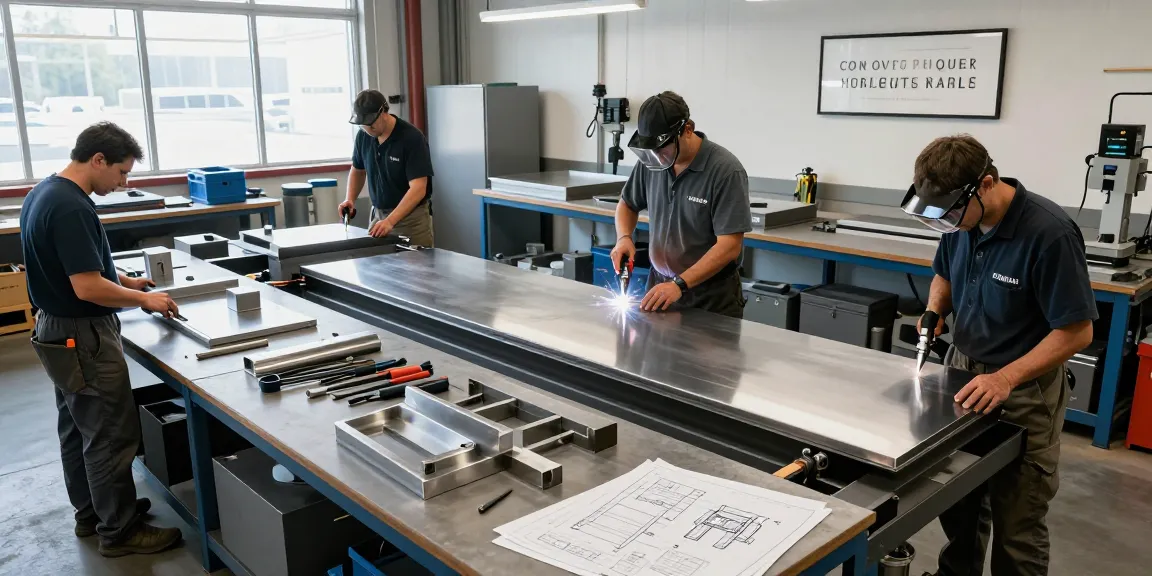
Understanding Metal Fabrication in North Vancouver
Metal fabrication has become a cornerstone of construction and manufacturing in North Vancouver, serving an array of industries from residential building projects to high-tech industrial applications. This dynamic process encompasses a variety of techniques and methodologies tailored to meet the unique requirements of each project. As more businesses and individuals seek custom solutions, the demand for expertise in metal fabrication north vancouver continues to grow. Understanding the intricacies of metal fabrication not only helps potential clients make informed decisions but also underscores the value of working with reputable fabricators.
What is Metal Fabrication?
At its core, metal fabrication is the process of transforming raw metal into finished products through cutting, bending, welding, and assembling. This process is critical in various sectors, including construction, automotive, aerospace, and more. Custom metalwork involves a range of metals, including steel, aluminum, and copper, each selected for its unique properties and suitability for specific applications.
Key Processes in Metal Fabrication
Metal fabrication consists of several key processes that ensure the material meets precise specifications:
- Casting: Pouring molten metal into a mold to create a desired shape.
- Cutting: Utilizing tools such as lasers, plasma cutters, or saws to divide large metal sheets into smaller, workable pieces.
- Bending: Manipulating metal into desired shapes using machinery like press brakes or rolls.
- Welding: Fusing metal pieces together through heating and melting processes, creating strong joints.
- Finishing: Applying surface treatments like painting or galvanizing to protect the metal and enhance its aesthetic appeal.
Metal Fabrication vs. Traditional Manufacturing
While traditional manufacturing often emphasizes mass production and standardized components, metal fabrication offers a level of customization that allows for unique designs tailored to specific projects. This adaptability makes fabrication essential for creating high-quality, one-of-a-kind products that meet individual client needs, ensuring that each piece is not only functional but also visually appealing.
Benefits of Choosing Custom Metal Fabrication
Opting for custom metal fabrication invites a multitude of advantages that cater to diverse needs and industries:
Tailored Solutions for Diverse Needs
The beauty of custom metalwork lies in its ability to be tailored precisely to project specifications. Whether it’s an intricate staircase, a decorative railing, or complex industrial framework, custom fabrication allows for a design that fits seamlessly into the intended space, enhancing both function and aesthetics.
Cost Efficiency and Time Savings
While some may perceive custom fabrication as costly, it often results in long-term savings. By providing precisely what is needed for a project, clients can avoid wasted materials and reduce the risk of future modifications. Moreover, the efficiency gained from bespoke solutions often translates into shorter project timelines.
Durability and Quality Assurance
Custom fabricated metals, when executed by skilled professionals, boast exceptional durability and strength. This quality is paramount for both structural integrity and longevity, ensuring that the final product not only meets but exceeds industry standards, particularly in a city like Vancouver where weather conditions can be challenging.
Leading Metal Fabrication Trends in 2026
The landscape of metal fabrication is continuously evolving, and 2026 promises to bring with it advancements that will enhance the industry:
Eco-Friendly Practices in Metalworking
As environmental concerns become increasingly pressing, many metal fabricators are adopting sustainable practices. This includes utilizing recycled materials, implementing waste reduction strategies, and employing energy-efficient machinery. Such practices not only befit corporate social responsibility but can also appeal to environmentally-conscious consumers.
Advancements in Technology and Automation
Technology plays a pivotal role in modern metal fabrication, with automation being at the forefront. From automated cutting machines to robotic welding systems, these technologies enhance precision, speed, and efficiency in the fabrication process, allowing for higher output without compromising quality.
Emerging Materials and Techniques
Innovations in materials science are paving the way for new types of alloys and composites that offer superior performance characteristics. Fabricators are exploring these new materials, such as lightweight metals and alloys with enhanced corrosion resistance, to meet the diverse needs of their clients.
Challenges in the Metal Fabrication Industry
Despite its many advantages, the metal fabrication industry faces several challenges that need addressing:
Common Misconceptions about Metal Fabrication
Many individuals misconstrue metal fabrication as a straightforward process. In reality, it encompasses a complex series of steps requiring specialized skills and expertise. Understanding these complexities can help potential clients appreciate the value offered by professional fabricators.
Addressing Quality Control Issues
The demand for high-quality custom metalwork necessitates stringent quality control measures. Fabricators must continually implement and refine quality checks throughout the fabrication process to ensure products meet the required standards and specifications.
Navigating Supply Chain Disruptions
Supply chain challenges can impact the availability of raw materials necessary for metal fabrication. Fabricators must develop flexible procurement strategies and rely on strong vendor relationships to mitigate these disruptions effectively.
Real-World Applications of Metal Fabrication
Custom metal fabrication finds application across various sectors, including residential, commercial, and industrial settings:
Residential Metalwork Projects in Vancouver
In the residential sector, homeowners are increasingly opting for custom metal features, such as railings, gates, and decorative elements, that enhance the aesthetic appeal of their properties while providing functionality. Metalwork, when executed thoughtfully, can transform ordinary spaces into extraordinary showcases of design.
Commercial and Industrial Applications
Businesses utilize metal fabrication for creating robust infrastructure, such as frameworks, platforms, and safety barriers. In commercial settings, where aesthetics and functionality must coexist, custom solutions ensure that businesses align their operational needs with attractive designs.
Case Studies: Successful Custom Fabrications
Avangard Steel’s portfolio showcases numerous successful projects, highlighting the capability to deliver high-quality, custom solutions. From designing intricate staircases to developing durable frames for commercial establishments, each project exemplifies the meticulous craftsmanship and attention to detail that sets Avangard Steel apart.
How long does a custom metalwork project take?
The timeline for a custom metalwork project can vary significantly based on its complexity and scale. Typically, simpler projects may take a few days to a week, while larger undertakings could extend to several weeks or even months. A detailed consultation with the fabricator can provide a clearer timeframe based on specific project requirements.
Can I provide a custom design for my project?
Absolutely! Many metal fabricators, including those at Avangard Steel, encourage clients to share their ideas and designs. Collaborating on custom designs ensures that the final product aligns with the client’s vision, leading to a more satisfactory outcome.
What types of metals do you work with?
Fabricators typically work with a variety of metals, including stainless steel, aluminum, and carbon steel. The choice of metal depends on the specific requirements of the project, such as strength, weight, and corrosion resistance, ensuring that the best material is selected for the task at hand.
