Understanding the Benefits of Metal Roofing
In a world where home improvement decisions can significantly impact your property's value and efficiency, choosing the right roofing material is paramount. Metal roofing, particularly systems offered by MRoof, has garnered attention for its numerous advantages over traditional roofing options. This article delves into the benefits of metal roofing, the specificity of MRoof systems, and why they represent a superior choice for homeowners in Ontario and beyond.
Why Choose MRoof Over Traditional Roofing?
Traditional roofing materials such as asphalt shingles, wood shakes, and tile have long been the go-to solutions for homeowners. However, these materials often come with drawbacks, including shorter lifespans, higher maintenance costs, and vulnerability to weather conditions. MRoof systems stand apart due to their superior design and materials. For example, metal roofs can last upwards of 50 years, far exceeding the expected lifespan of conventional shingles, which typically last 15-20 years.
Additionally, MRoof employs advanced materials like ThyssenKrupp steel, renowned for its strength and resistance to rust and corrosion. This ensures that MRoof installations not only look good but also withstand the test of time. Coupled with a professional installation team, MRoof systems guarantee quality that traditional options simply cannot match.
Longevity and Durability of MRoof Systems
One of the crowning achievements of the MRoof system is its longevity. Metal roofs are designed to endure harsh weather conditions, including heavy rain, snow, and high winds, while maintaining their integrity and aesthetic appeal. Unlike asphalt shingles that can warp or lose granules over time, metal roofs resist fading, cracking, and deterioration. The durability of MRoof translates to fewer repairs and replacements over the years, providing homeowners with significant long-term savings.
Moreover, metal roofs are fire-resistant, making them a safer choice compared to other materials prone to catching fire. This inherent ability to withstand extreme conditions positions MRoof as a reliable option in regions prone to wildfires or storms.
Energy Efficiency Benefits of Metal Roofing
Energy efficiency is an increasing concern for homeowners looking to reduce their utility bills and environmental impact. Metal roofing systems contribute to energy savings in two primary ways. First, they reflect solar radiant heat, which can reduce cooling costs by up to 25%. This energy efficiency is particularly beneficial in warm summer months, as it keeps homes cooler without over-reliance on air conditioning systems.
Secondly, many metal roofs are now available with energy-efficient coatings that enhance their reflective properties, further improving their efficiency. By choosing a metal roof, homeowners are not only making a sustainable choice but also investing in their home’s energy performance.
Best Practices for MRoof Installation
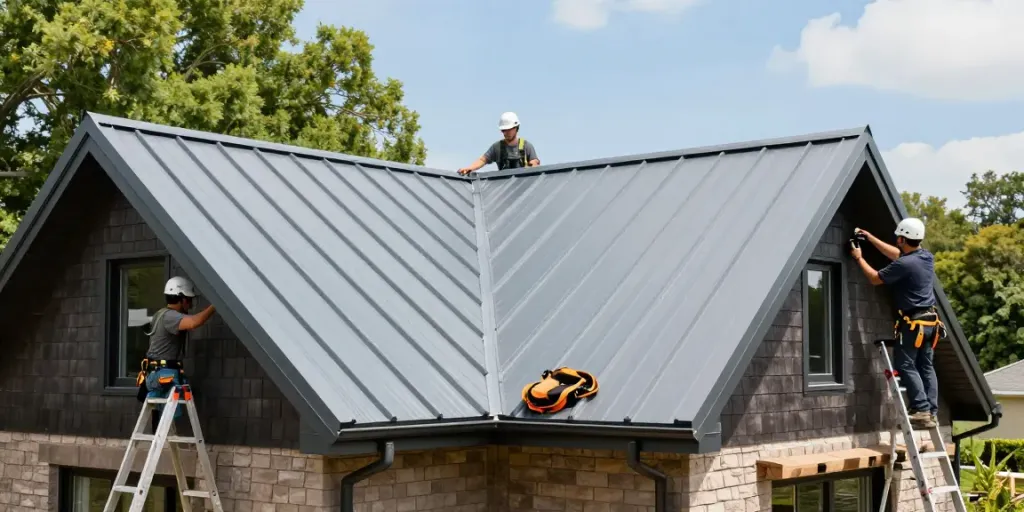
For any roofing system, proper installation is crucial to ensure optimal performance and longevity. MRoof provides extensive guidelines and support for ensuring that every installation meets rigorous standards. Here, we outline essential tools, a step-by-step guide, and common pitfalls to avoid during the installation of MRoof panels.
Essential Tools and Materials for MRoof Installation
Installing an MRoof system requires specific tools and materials to guarantee success. Key tools include:
- Drill and driver bits for securing panels
- Metal snips for cutting panels as needed
- Safety equipment, including goggles and gloves
- Measuring tape and chalk line for accurate layout
In addition to these tools, MRoof panels come with various components such as screws, flashing, and insulation that are essential for a complete installation. Ensuring you have all necessary materials before commencing work can prevent disruptions and lead to a smoother installation process.
Step-by-Step Guide to Installing MRoof Panels
The installation of MRoof panels follows a systematic approach that can be broken down into several stages:
- Preparation: Clear the existing roofing material and inspect the structure for damage.
- Layout: Use a chalk line to mark the panel layout on the roof deck.
- Installation: Starting from the lower edge, secure the panels using screws at the designated points, ensuring not to overtighten.
- Flashing: Install flashing around chimneys and vents to prevent leaks.
- Final Inspection: Once installed, conduct a thorough inspection to ensure all panels and fixtures are secure.
Following these steps will help homeowners achieve a professional-grade finish that maximizes the benefits of their MRoof system.
Common Mistakes to Avoid During Installation
Even with the best intentions, common mistakes can occur during the installation process. Here are a few pitfalls to avoid:
- Ignoring Weather Conditions: Metal roofing should not be installed during wet or windy conditions, as this can complicate the process and compromise safety.
- Skipping Inspections: Failing to inspect the underlying structure before installation can lead to significant problems down the line.
- Improper Fastening: Using the wrong type or number of screws can lead to leaks and roof failure.
Maintaining Your Metal Roof for Longevity
Proper maintenance is essential for maximizing the lifespan of your MRoof system. While metal roofs require less upkeep than traditional roofs, regular inspections and maintenance can prevent potential issues and ensure optimal performance.
Routine Inspections and Maintenance Tips
Homeowners should conduct routine inspections at least twice a year, ideally in spring and fall. During these inspections, look for any signs of damage, such as:
- Loose or missing screws
- Rust or corrosion spots
- Accumulation of debris or leaves that could encourage moisture retention
In addition to visual inspections, cleaning gutters and ensuring that downspouts are clear can prevent water buildup, which is crucial for avoiding leaks and structural issues.
How Weather Impacts MRoof Performance
Metal roofs are exceptionally resilient, but extreme weather can still impact their performance. Heavy snowfall can lead to ice dams if gutters are not properly maintained, while high winds can cause panels to lift if not securely fastened. Understanding how local weather patterns affect your roof helps in planning preventative measures to mitigate potential damage.
Repairs and Upgrades for Lasting Quality
Despite their durability, occasional repairs may be necessary for metal roofs. Common repairs include replacing damaged panels or re-sealing flashing. Homeowners looking to upgrade their roofing may also consider adding insulation or ventilation systems to improve overall energy efficiency.
Cost Considerations When Choosing MRoof
Investing in a metal roofing system like MRoof comes with upfront costs that may be higher than traditional roofing materials. However, understanding the long-term savings and value this investment brings is crucial for budget-conscious homeowners.
Initial Investment vs. Long-Term Savings
While the initial investment for MRoof systems might be greater compared to asphalt shingles, the longevity and durability significantly reduce the need for frequent replacements. Homeowners often save on energy bills due to the energy-efficient properties of metal roofs, making the overall cost far more manageable over time.
Understanding Return on Investment for MRoof
When evaluating the return on investment (ROI) of a metal roof, consider the increased property value, lower insurance premiums due to fire resistance, and energy savings. Studies show that homeowners can recover nearly 85% of their investment on a new metal roof at the time of sale, making it an attractive option for any homeowner.
Financing Options for Metal Roof Installation
For those concerned about upfront costs, several financing options are available for homeowners. Many contractors, including MRoof, offer financing plans that allow homeowners to manage costs over time. Additionally, government incentives for energy-efficient home improvements can further alleviate financial strain.
Future Trends in Metal Roofing for 2026
The landscape of metal roofing is changing, with emerging technologies and sustainable practices shaping the industry. Homeowners considering a metal roof will benefit from staying informed about these trends as they look to enhance their home’s value and efficiency.
Emerging Technologies in Metal Roofing
Advancements in metal roofing technologies are continually evolving. For instance, new coatings that enhance reflective properties are emerging, further improving energy efficiency. Solar panel integration is also on the rise, allowing homeowners to harness renewable energy effectively without compromising their aesthetic preferences.
Sustainable Practices in the Roofing Industry
As environmental awareness increases, the roofing industry is embracing sustainable practices. Many manufacturers are adopting eco-friendly materials and production processes, ensuring that metal roofing options align with environmentally responsible initiatives. Choosing a metal roof from sustainable manufacturers not only benefits homeowners but contributes positively to the planet.
Consumer Preferences Shaping the Future of MRoof
Finally, consumer preferences are shifting towards more sustainable and efficient roofing solutions. Homeowners are increasingly valuing energy efficiency and longevity, leading to a rise in demand for metal roofing systems like MRoof. As this trend continues, the industry will likely respond with even more innovative designs and solutions to meet consumer needs.